Introduction
You have probably heard investors talking about junk silver lately. It sounds like trash. It is actually treasure. The term junk silver refers to old US currency coins. These coins were minted before 1965. They look like normal pocket change. But they contain 90% silver. Investors love them because they are an easy way to own precious metals. You do not need to buy big bars. You can just buy junk silver in small amounts. It is perfect for beginners. It is also great for experienced stackers.
This guide will explain everything. We will look at why people buy it. We will look at the downsides too. We will be honest about the costs. You need to know what you are buying before you spend a dime.
What Exactly Is Junk Silver?
The name is misleading. These coins are not junk. They are legal tender US coins. They just have no value as “rare” collectibles. Their value comes from the metal inside them.
The United States government made dimes, quarters, and half-dollars out of silver for a long time. This changed in the mid-1960s. The price of silver went up. It became too expensive to use in coins. The government switched to cheaper metals like copper and nickel in 1965.
So, any dime, quarter, or half-dollar dated 1964 or earlier is special. It is made of 90% silver and 10% copper. The copper was added to make the coin hard. Pure silver is too soft for daily use. These coins circulated for decades. They are worn down. They are scratched. That is why dealers call them “junk.” You are not paying for a pretty coin. You are paying for the silver content.
Why Do People Buy Junk Silver?
You might wonder why someone would want old, dirty coins. There are three main reasons. First, it is fractional. A one-ounce silver bar is a single piece. You cannot break it into smaller parts easily. Junk silver comes in small sizes. A silver dime contains about 0.07 ounces of silver. This is great for small transactions. You can sell a tiny amount if you need quick cash. You do not have to sell a whole bar. Second, it is recognizable. Everyone knows what a US quarter looks like. You do not need to prove it is real silver. People trust US coinage. If you buy a generic silver round, people might question it. They might think it is fake. US coins are trusted instantly. This makes them very easy to sell or trade. Third, the premiums can be lower. A “premium” is the extra fee you pay above the spot price of silver. Fancy government coins like American Silver Eagles have high premiums. They are expensive to make. Junk silver was made decades ago. The minting cost is already gone. Sometimes, you can get these coins closer to the melt value.
Common Types of Coins You Will Find
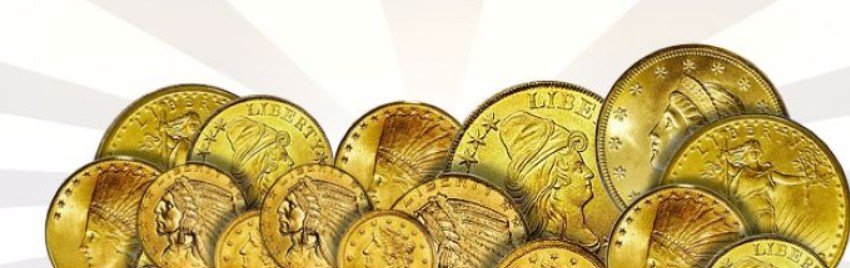
You will see specific types of coins when you look for these bags. It helps to know their names. Mercury Dimes These were made from 1916 to 1945. They feature Lady Liberty wearing a winged cap. Many people think it is the Roman god Mercury. That is how they got the name. These are very popular. They look beautiful even when worn. Roosevelt Dimes These look like the dimes we use today. They started in 1946. The silver ones ended in 1964. You have to check the date on the coin. If it is 1964 or older, it is silver. If it is 1965, it is just copper and nickel. Washington Quarters These also look like modern quarters. They were minted in silver from 1932 to 1964. These are the workhorses of the junk silver market. They are larger than dimes. They are easy to count.
Kennedy Half Dollars This one is tricky. The 1964 Kennedy Half Dollar is 90% silver. However, from 1965 to 1970, they were made of 40% silver. You have to be careful here. Most investors prefer the 90% version (1964). The 40% coins are harder to sell. Stick to 1964 for the best value.
How to Calculate the Value
This is the part that confuses new buyers. How do you know the price is fair? You cannot just look at the price per coin. You have to do a little math.
The industry uses a standard multiplier. It is based on “face value.” Face value is what the coin says it is worth (like 10 cents or 25 cents).
Here is a simple rule. $1.00 in face value of junk silver contains about 0.715 troy ounces of silver.
Imagine you have four quarters. That is $1.00 face value. Those four quarters hold 0.715 ounces of pure silver.
If the spot price of silver is $20 per ounce, you multiply $20 by 0.715. The metal value of those four quarters is roughly $14.30.
You will see dealers selling “Face Value Bags.” They might sell a “$100 Face Value Bag.” This means the bag has enough dimes and quarters to equal $100. That bag would contain roughly 71.5 ounces of silver.
Why 0.715 and not higher? A fresh silver dollar has roughly 0.77 ounces. But these coins are old. They have worn down. Some silver rubbed off in people’s pockets over fifty years. The 0.715 number accounts for that wear. It keeps the pricing fair.
Where to Find These Coins
You cannot find these at the bank anymore. You have to go to a coin shop or an online dealer. Buying online is often safer and easier. You can compare prices. You can read reviews.
A reputable company to consider is Park Avenue Numismatics. They have been in the business for a long time. They understand the needs of both collectors and investors.
Park Avenue Numismatics is based in Miami and specializes in rare United States coins and precious metals. They focus on helping clients build meaningful collections and investment portfolios with personalized service.
You can check their current inventory here: Park Avenue Numismatics
They can help guide you. If you are unsure what to buy, ask them. Good dealers want you to come back. They will explain the current premiums. They will tell you if dimes or quarters are a better deal that day.
The Pros of Buying Junk Silver
Let’s look at the good stuff first.
Liquidity is King Liquidity means how fast you can turn an asset into cash. Junk silver is highly liquid. Every coin shop in America buys it. Pawn shops buy it. Other investors buy it. You will never be stuck with it.
Legal Tender Status These are still real money. If the price of silver crashes to zero, a quarter is still worth 25 cents. It has a floor. It can never be worth nothing. A generic bar of silver is just metal. It is not money. This gives you a tiny safety net.
Durability Pure silver (.999 fine) is soft. If you drop a pure silver coin, it will dent. Junk silver is an alloy. The 10% copper makes it tough. You can handle these coins. You can toss them in a bag. They do not need plastic cases. They were built to be used.
History in Your Hand This is a softer benefit. But it is real. Holding a coin from 1940 is cool. You wonder who spent it. You wonder what it bought. It connects you to the past. Modern bullion does not do that.
The Cons You Need to Know
We promised an honest review. It is not all perfect. Here are the downsides.
It Takes Up Space Junk silver is bulky. Remember, 10% of the weight is copper. You are storing metal that is not silver. A bag of junk silver is heavy. It takes up more room in your safe than pure gold or pure silver bars. If you have a small safe, this matters.
The “Ugly” Factor These coins are dirty. They are tarnished. Some might have gum stuck to them. They do not shine. If you like your investments to look pretty, this will bother you. You have to get used to the grime.
Counting Can Be Annoying If you buy a big bag, you have to count it. You have to sort dimes and quarters. It takes time. Bars are easier. One bar is one bar. A bag of junk silver is hundreds of little pieces.
Tax Implications In some places, buying coins is taxed differently than bullion. You need to check your local laws. Sometimes spending $1000 avoids tax. Sometimes it does not. It varies by state.
Strategy for New Buyers
If you want to buy junk silver, start small. Do not buy a $1000 bag on day one.
Try to buy “dimes” first. Dimes are the smallest unit. They are the most useful for fractional trading. Mercury dimes are often preferred because they look different than modern dimes. It is easy to spot them.
Next, watch the “premiums.” The premium is the price over spot. Sometimes junk silver is popular. The price shoots up. Sometimes nobody wants it. The price drops. Compare the price of junk silver per ounce to a generic silver bar. If junk silver is way more expensive, wait. If it is the same price or cheaper, buy it.
Store it correctly. You do not need fancy holders. Old canvas bank bags are best. They let the coins breathe. Do not store them in PVC plastic flips. The plastic can damage the metal over time. Just a simple cloth bag or a heavy-duty jar works fine.
Is It a Good Investment?
This depends on your goals.
If you want to get rich quick, this is not for you. Silver is a store of value. It protects your wealth. It does not usually skyrocket overnight.
If you want insurance against inflation, it is great. The dollar loses value every year. Silver generally keeps its purchasing power. A silver quarter in 1964 bought a gallon of gas. The silver value of that quarter today can still buy a gallon of gas. The paper money changed. The metal did not.
If you are a “prepper,” it is essential. Preppers believe in being ready for disasters. If the banking system fails, credit cards won’t work. You can use silver coins to buy food. They are small enough to trade for eggs or milk. You cannot trade a gold bar for a loaf of bread. The gold bar is worth too much. The silver dime is just right.
Verdict
Junk silver is a solid addition to any portfolio. It offers safety. It offers history. It is easy to sell. It is not the prettiest investment. It is heavy and dirty. But it works. It does exactly what money is supposed to do. It holds value over time. We recommend mixing it up. Have some pure silver bars for wealth storage. Have some junk silver for small transactions. This gives you the best of both worlds. Remember to check reputable dealers like Park Avenue Numismatics. They can help you avoid fakes. They ensure you get the correct weight. Dealing with a trusted company takes the stress out of the process. Investing in silver is a long game. You are buying real assets. You are opting out of the inflation rat race. Grab a handful of old quarters. Feel the weight. You will understand why people have used silver as money for thousands of years. It just feels real. And in a world of digital numbers, real is good.