
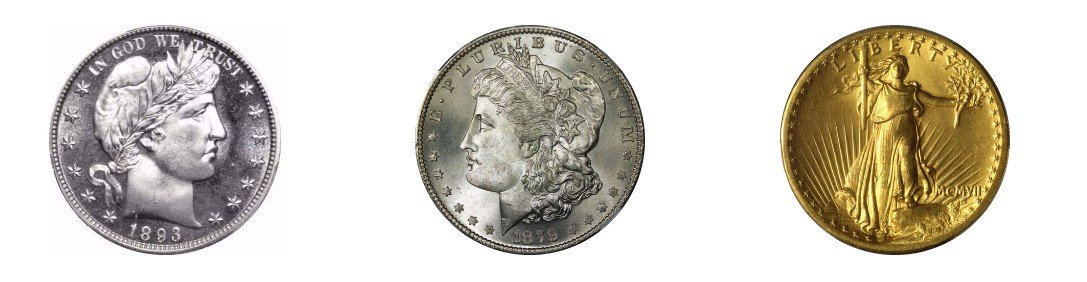
When you think about protecting your money, buy rare bullion coins might not be the first thing that comes to mind. But here’s the thing. Precious metals have held value for thousands of years. They’re not going anywhere. And right now, with gold prices crossing $5,100 an ounce in January 2026, smart investors are paying attention. If you want to add rare silver bullion to your investment mix, you’re making a solid choice. These aren’t just shiny pieces of metal. They’re real assets that can weather economic storms.
Park Avenue Numismatics has been helping collectors and investors since 1988. They know this market inside and out. Based in Miami, they offer everything from American Gold Eagles to Morgan Dollars. Their expertise comes from over 38 years of dealing with rare coins and precious metals. When you’re ready to start your collection, working with established dealers like Park Avenue Numismatics makes the process easier and safer.
Why Choose Rare Bullion Coins Over Regular Investment Options
Gold and silver don’t lose value when the stock market drops. That’s the simple truth. While your retirement account might swing up and down, precious metals stay stable. They’ve been money for over 5,000 years. No government can print more gold. No company can create silver out of thin air. These metals have real weight, real value, and real staying power.
American Gold Eagles remain one of the most popular choices. They come in different sizes from 1/10 ounce to full ounce coins. Each one contains real gold backed by the U.S. government. The same goes for silver. Canadian Silver Maple Leafs offer 99.99% pure silver. Australian Kangaroos and Austrian Philharmonics give you options too. Each country produces coins with unique designs and guaranteed purity standards.
When you [buy rare bullion coins], you’re getting more than metal. You’re buying recognized currency that dealers worldwide accept. These aren’t collectibles that only experts understand. They’re standardized products with clear values. You can check the spot price any day and know exactly what your holdings are worth.
Different Types of Rare Silver Bullion Available
Silver comes in three main forms. Coins, bars, and rounds. Each has its own benefits. Silver coins from government mints carry the highest premiums. But they’re also the easiest to sell. Everyone recognizes a Silver Eagle or Maple Leaf. Bars offer lower premiums per ounce. A 100-ounce bar costs less per ounce than buying 100 individual coins. Rounds sit in the middle. They look like coins but come from private mints.
The Canadian Silver Maple Leaf stands out as a top choice. It features Queen Elizabeth II on one side and the iconic maple leaf on the reverse. The Royal Canadian Mint produces these with exceptional quality. Each coin contains exactly one troy ounce of 99.99% pure silver. They’re beautiful, recognized worldwide, and easy to store.
For investors who want larger quantities, rare silver bullion bars make sense. A 10-ounce bar fits in your hand. A 100-ounce bar weighs about 6.8 pounds. These come from respected mints like Engelhard, Johnson Matthey, and the Royal Canadian Mint. The premium over spot price stays low. You get more silver for your dollar.
Silver rounds offer variety in designs. Buffalo rounds mimic the classic Indian Head nickel design. Walking Liberty rounds show Lady Liberty striding forward. Aztec Calendar rounds feature intricate ancient designs. These typically cost just $1 to $2 over the spot price per ounce. They give you pure silver without paying for official government minting.
How Park Avenue Numismatics Helps Investors
Park Avenue Numismatics operates differently than typical online dealers. They attend every major coin show and auction. Their team knows market trends before they happen. When rare pieces come up for sale, they’re there. This gives their customers access to coins that never hit the open market.
Their inventory includes certified coins graded by PCGS and NGC. These are the top two grading services in the world. A coin graded MS-65 by PCGS has guaranteed quality. You’re not guessing about condition. The slab protects the coin. The grade confirms its value. Serious collectors pay attention to these details.
Want list services set them apart. You tell them what you’re looking for. They find it. Maybe you need a specific Morgan Dollar date. Or perhaps you want Gold Indian Quarter Eagles in MS-63 condition. They’ll track it down. Their connections in the industry run deep after nearly four decades in business.
They also buy coins. If you inherit a collection or need to liquidate holdings, they make fair offers. No pressure tactics. No lowball bids. They evaluate based on current market conditions and actual demand. This two-way street benefits both buyers and sellers.
Smart Strategies for Building Your Precious Metals Portfolio
Start small but start now. You don’t need $50,000 to begin investing in precious metals. A single 1-ounce Silver Eagle costs around $80 to $90 depending on the day. Ten of those gives you 10 ounces of silver for under $900. That’s a real position in the market. You’ve begun building actual wealth.
Dollar cost averaging works perfectly with bullion. Buy the same dollar amount each month. When prices drop, you get more ounces. When they rise, you get fewer but your earlier purchases gain value. Over time, this smooths out price fluctuations. You don’t need to time the market perfectly.
Mix your metals. Don’t put everything in gold or everything in silver. The gold to silver ratio changes constantly. Sometimes it takes 70 ounces of silver to equal one ounce of gold. Other times it’s 90 to 1. By holding both, you benefit no matter which metal performs better. Many experts suggest 70% gold and 30% silver for beginners.
Consider certified versus uncertified pieces. Generic gold coins cost less than certified ones. A $20 Saint Gaudens in MS-62 condition might sell for $4,900. The same coin certified by PCGS sells for $5,000 or more. Is the extra $100 worth it? If you plan to sell later, certification helps. Buyers trust graded coins more.
Storage and Security Considerations
Where you keep your precious metals matters as much as what you buy. Home safes work for smaller collections. A quality safe costs $500 to $2,000. Bolt it to the floor or wall. Don’t tell everyone you own it. Many people prefer this option because they control access completely.
Bank safety deposit boxes offer another solution. They cost $50 to $200 per year depending on size. The bank provides security. Your metals stay insured through the FDIC up to certain limits. The downside is access. You can only get your holdings during bank hours.
Professional vault storage makes sense for large holdings. Companies like Brinks and Delaware Depository specialize in precious metals. They charge based on value, usually 0.5% to 1% annually. Everything stays fully insured. You can sell without ever physically touching the metals.
Never post photos of your collection online. Don’t tell neighbors or casual friends about your holdings. Keep records in a safe place separate from the actual metals. Make sure a trusted family member knows where everything is kept. These simple steps prevent most security problems.
Current Market Trends and Investment Timing
Gold hit all-time highs in January 2026. Silver followed suit, breaking past previous resistance levels. These aren’t bubbles. They’re responses to real economic conditions. Federal debt keeps growing. Inflation remains a concern. Central banks worldwide continue buying gold for their reserves.
But you shouldn’t wait for dips that might never come. History shows that trying to perfectly time precious metals markets fails more often than it succeeds. The investors who do best buy regularly and hold long term. They don’t panic when prices drop. They don’t get greedy when prices spike.
Silver shows particular promise right now. Industrial demand keeps increasing. Solar panels use silver. Electronics need silver. Electric vehicles require more silver than traditional cars. Meanwhile, above-ground silver inventories keep shrinking. When demand exceeds supply for long enough, prices must rise.
The premium on certain coins changes with market conditions. During high demand periods, premiums expand. You might pay $6 over spot for a Silver Eagle instead of $4. During quiet times, premiums shrink. Smart buyers watch these spreads. They stock up when premiums fall and hold when premiums rise.
Avoiding Common Mistakes in Bullion Investment
Paying too much over spot price hurts your returns. Some dealers charge 20% to 30% premiums on common coins. That’s excessive. Stick with reputable dealers who keep premiums reasonable. For generic silver rounds, you shouldn’t pay more than $2 to $3 over spot. For government coins like Eagles or Maples, $4 to $6 over spot is fair.
Buying numismatic coins without knowledge leads to losses. A coin dealer might sell you a “rare” Morgan Dollar for $500. But similar coins sell for $150 at auction. Unless you understand grading and rarity, stick with bullion. The value is clear. The market is liquid. You can’t get cheated as easily.
Ignoring authenticity checks creates huge risks. Fake gold coins exist. Counterfeit silver bars flood certain markets. Buy from established dealers only. Park Avenue Numismatics and similar firms stake their reputation on authenticity. They test everything. They guarantee what they sell.
Selling too quickly wastes the tax benefits. Precious metals held for over one year qualify for long-term capital gains rates. These are lower than short-term rates. Many new investors panic at the first price dip and sell at a loss. Give your investment time to work.
Making Your First Purchase with Confidence
Start with government-minted coins. American Gold Eagles, Canadian Gold Maple Leafs, or Austrian Philharmonics are all excellent choices. Everyone recognizes them. Every dealer buys them. The market stays liquid no matter what happens.
Check the spot price before you buy. Go to kitco.com or similar sites. See what gold and silver are trading for right now. Then compare dealer prices. You’ll pay a premium over spot. But you should know the baseline number.
Ask about buyback policies. Good dealers will buy back what they sold you. They might pay spot price or slightly below. But they’ll take the coins back. This matters when you eventually want to sell.
Get everything in writing. The description, the price, the authenticity guarantee. Reputable dealers provide detailed invoices. These protect both parties. They also help with taxes later.
The Long-Term Outlook for Precious Metals
Economic uncertainty isn’t going away. Government debt levels remain at historic highs. Currency debasement continues worldwide. These factors support precious metals prices over the long term. While short-term fluctuations will happen, the general trend points upward.
More investors are discovering physical metals as protection against inflation. This increased demand puts upward pressure on prices. As baby boomers age, wealth transfers to younger generations who think differently about investing. Many prefer tangible assets over paper promises.
Central banks keep buying gold. They’re not selling. That tells you something important. The smart money treats gold as essential to reserves. If it’s good enough for the Federal Reserve and the Bank of England, it’s good enough for individual investors.
The key is starting now and building consistently. Whether you buy rare bullion coins or focus on rare silver bullion, you’re making a choice that has protected wealth for millennia. Every ounce you add to your holdings is an ounce of real money. No government can inflate it away. No bank can freeze it. It’s yours, solid and real.