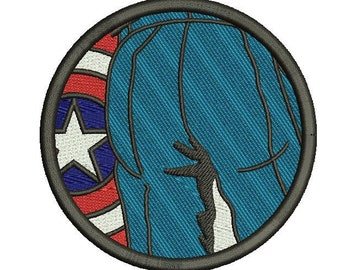
Embroidery is now much more than just needle and thread. Only when digitizing is done correctly can machines handle complex designs quickly and accurately. Embroidery digitizing forms the basis of modern machine embroidery. The digitizing process converts the artwork into precise stitch instructions which machines can understand and follow. Even the most creative designs can fail when stitched without proper digitizing.
Understanding digitizing techniques, file formats, and tips is important for both beginners and professionals. These elements influence stitch quality, fabric behaviour, and production efficiency. Mastering digitizing helps you reduce errors, save money, and achieve consistent results, whether you manage a small embroidery shop or a growing business. This guide provides practical tips and techniques as well as the importance of selecting the correct embroidery file format.
Understanding Embroidery Digitalization and its Importance
Embroidery digitizing is a process that converts artwork into data-based stitch-based embroidery machines. These data define stitch type, density, direction and sequence. Because embroidery is a physical interaction with fabric and not a printed image, digitizing it requires both technical and creative skills.
Poor digitizing can lead to thread breaks, puckering and uneven fills. It can also cause distorted shapes. A good digitizing process creates a smooth stitch flow and a design with optimum tension. Understanding digitizing principles will help embroiderers better understand why some designs stitch well while others do not. This allows for better communication when working with embroidery digitizing companies.
Tips on Embroidery Digitizing for Better Results
Start simple. This is one of the most important tips for digitizing embroidery. Simple images with clean shapes and clear artwork digitize better than complex ones. Simplifying designs increases stitch quality and reduces stress on the machine.
Understanding fabric behavior is another important tip. Stretchy fabrics need a lighter density and a proper underlay while thicker fabrics need sturdier support stitches. Fabric type can often lead to distortion and uneven stitching if you ignore it.
The direction of the stitch is also important. Consistent angles enhance visual flow and reduce thread breakage. It is recommended to test designs on scrap fabrics before production. These small steps can improve the quality of embroidery.
Advanced Embroidery Digitalizing Techniques Explained
The advanced embroidery digitizing techniques focus on balance and control. One of these techniques is underlay stitching. It stabilises fabric, prevents sinking stitching, and improves the appearance of top stitches. The fabric and size of the design will determine which underlay is best.
Pull compensation is another technique. Fabrics that stretch, in particular, pull inward when stitched. Digitizers compensate for this by slightly expanding the design edges after stitching.
The order of the layers is equally important. Stitch order is important to avoid overlapping and improve design clarity. Professional embroidery digitizing services use these techniques to produce high-quality output.
The role of digitizing services in professional workflows
embroidery digitizing service is used by many embroidery shops to manage complex or large-volume projects. These services are staffed by experienced digitizers that understand fabric and machine behavior.
The digitizing of embroidery designs can help save businesses time and prevent costly mistakes. They provide optimized designs which run smoothly on machines and reduce downtime. Outsourcing digitizing is a great way for growing embroidery businesses to focus on customer service and production while maintaining high quality standards.
The Best File Formats for Embroidery Digitizing
The file format is a key factor in the production of embroidery. Machines do not read images. They read stitch files. The dst format is one of the most commonly used formats. It is compatible with many commercial machines.
The file format supports complex designs and stores stitch commands efficiently. This format is popular for industrial embroidery because of its simplicity and reliability. It does not visually store color information, so it is important to have proper documentation.
There are other formats, but beginners must always check machine compatibility prior to exporting files. The correct format will prevent loading errors and stitching problems.
Why choosing the right file format is important
The wrong file format could stop the production. The machine may not accept the file or interpret stitch data incorrectly. This results in wasted materials and time.
The correct file format ensures accurate stitch placement and smooth machine operation. It also provides consistent results on multiple machines. Professional digitizing services provide formats that are specific to each machine type. This reduces risk for embroidery businesses.
Understanding file formats can help embroiderers resolve issues faster and maintain an efficient workflow.
How to avoid common embroidery digitizing mistakes
Over-digitalizing is a common mistake. Over-digitizing can make your designs stiff and uncomfortable. A second mistake is to rely solely on automatic digitizing tools. Although convenient, these tools often result in uneven stitch paths.
Neglecting testing is another problem. Design that looks great on screen might not work on fabric. Testing can help identify problems early.
To avoid these mistakes, you will need patience and practice. Mastering embroidery digitizing requires that you learn from your mistakes.
How digitizing embroidery supports the embroidery business
The quality of digitizing directly impacts the profitability of any embroidery business. Well-digitized embroidery designs are easier to run, reduce thread usage, and minimize machine wear.
Digitizing allows for customization. Logos, names and unique designs that are personalized attract customers and increase the value of orders. Businesses that are familiar with digitizing will be able to offer better solutions, and create long-term relationships with their customers.
Digital knowledge helps companies evaluate the quality of their work and make necessary adjustments, even when they outsource.
Tips to Improve your digitizing skills over time
Consistent practice is the key to improvement. Gradually progress from simple text designs to more complex artwork. To understand stitch logic, study professionally digitized files.
Keep notes about successful settings to build your personal reference library. With time, decisions become more accurate and faster.
It takes time to master embroidery digitizing. Learning continuously leads to improved results and increased confidence.
Future of Embroidery Digitalizing Techniques and Formats
With the advancement of technology, digitizing embroidery continues to improve. Updates to software offer improved stitch control and simulation. Machines are faster and more precise.
The core principles of embroidery remain unchanged despite these changes. Understanding stitch behavior, fabrics’ response and file formats is essential. Businesses who invest in digitizing skills will remain competitive as the demand for custom embroidery increases.
Conclusion
The foundation for successful machine embroidery is digitizing, which combines technical skills with creative planning. Embroiderers who know how to use the right techniques, tips and file formats can create cleaner designs and achieve smoother production. They will also have a better product. Understanding digitizing will help you make better decisions, whether you are learning on your own or with professionals. 1dollardigitizing is a great option for embroidery businesses that want to maintain quality standards while still receiving reliable support.