
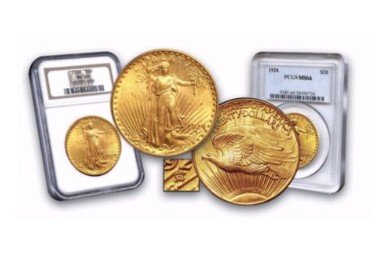
Collecting rare bullion coins has become more popular over the past few years. Many people want to own something that holds real value. Gold and silver prices keep changing, but these coins stay interesting to collectors and investors alike. When you start looking at rare bullion coins for sale, you’ll notice they come in many forms. Some are old. Some are new but limited in number. The key is knowing what makes one coin more valuable than another. This guide helps you understand the basics. You’ll learn what to look for and how to make smart choices when buying these coins.
What Are Rare Bullion Coins?
Bullion coins are made from precious metals like gold, silver, platinum, or palladium. Governments mint most of them. They have a face value, but their real worth comes from the metal inside. Regular bullion coins are mass-produced. You can buy them easily at any time. Rare bullion coins are different. They might have low mintage numbers. Maybe only a few thousand were made. Some become rare because of errors during production. Others gain value from their age or historical importance. The condition matters too. A coin in perfect shape is worth more than one with scratches or wear.
Think about American Gold Eagles or Canadian Maple Leafs. These are common bullion coins. But certain years or special editions become hard to find. That’s when they cross into rare territory. Collectors pay premium prices for these pieces. The metal value stays the same, but the rarity adds extra worth. Understanding this difference helps you make better purchases. You’re not just buying metal. You’re buying a piece that few others own.
Why Investors Choose Rare Bullion Coins
People invest in rare bullion coins for several reasons. First, they offer protection against inflation. When paper money loses value, precious metals tend to hold steady or increase. This has been true throughout history. Second, these coins are tangible assets. You can hold them in your hand. They don’t disappear if a company goes bankrupt or a market crashes. Third, rare coins can appreciate faster than regular bullion. The metal value gives them a floor price. The rarity can push values much higher over time.
Park Avenue Numismatics has been helping collectors and investors since they started their business. They specialize in rare coins and precious metals. Their team understands what makes certain pieces valuable. They guide buyers through the selection process with honest advice. Many investors work with dealers like Park Avenue Numismatics because expertise matters when spending significant money on coins.
Some investors like having part of their savings in physical form. Rare bullion coins serve this purpose well. They’re portable and easy to store. You can keep them in a safe at home or in a bank deposit box. When you need cash, selling them is straightforward. The market for precious metals stays active. Dealers and private buyers are always interested. This liquidity makes rare bullion coins practical for long-term planning.
How to Identify Valuable Rare Bullion Coins
Learning to spot valuable coins takes time and practice. Start by checking mintage numbers. Lower numbers usually mean higher rarity. Government mints release production figures for most coins. You can find this information online or through dealer catalogs. Compare different years of the same coin series. You’ll see which years had smaller runs.
Condition is the next big factor. Coin grading uses a scale from 1 to 70. Higher numbers mean better condition. A coin graded MS-70 is perfect. No scratches, spots, or wear exist. Most coins fall somewhere in the middle range. Professional grading services examine coins under magnification. They assign grades and seal coins in protective holders. These graded coins sell for more because buyers trust the assessment. When shopping for rare bullion coins, look for graded examples. They remove guesswork from the equation.
Errors and varieties add value too. Sometimes mints make mistakes. A die might crack during production. This creates unusual marks on coins. Other times, design changes happen mid-year. Early versions differ slightly from later ones. Collectors seek these variations. They’re not common enough to flood the market but not so rare that nobody can find them. Park Avenue Numismatics often carries error coins and interesting varieties. Their inventory changes as they acquire new pieces from estates and collections.
Historical significance plays a role as well. Coins tied to important events or periods attract more interest. Commemorative issues celebrating anniversaries or milestones can become sought after. Even recent coins with special designs gain followings. Pay attention to what collectors talk about. Online forums and coin shows reveal which pieces are trending. This knowledge helps you spot opportunities before prices climb too high.
Popular Types of Rare Bullion Coins
American Gold Eagles represent one of the most collected bullion series. The U.S. Mint started making them in 1986. Most years saw large production numbers. But certain dates and mint marks are scarce. Proof versions, made specially for collectors, have lower mintages than regular strikes. Burnished or uncirculated versions add another layer. Collectors work to complete sets with all variations. This drives demand for the harder-to-find pieces.
Chinese Gold Pandas change their design every year. This makes them interesting to collect. Early years from the 1980s can be quite rare. Modern issues still have collectors chasing specific dates. The Chinese market has grown significantly. More buyers worldwide want these coins now. Prices have risen to match the demand. Finding older Pandas in good condition takes patience and effort.
British Sovereigns have a long history stretching back centuries. Modern sovereigns continue this tradition. Certain years and mints produced fewer coins. Victorian and Edwardian era sovereigns can command strong premiums. Even though they’re old, they’re still bullion coins. The gold content remains the primary value driver. But the age and rarity boost prices well above melt value. Collectors appreciate the craftsmanship and historical connection.
Canadian Maple Leafs are known for their purity. They contain 99.99% pure gold or silver. Special editions with privy marks or unique finishes become collectible. The mint releases commemorative versions regularly. These often have lower production numbers than standard Maples. Collectors snap them up quickly. Secondary market prices climb when demand exceeds the limited supply.
South African Krugerrands were the first modern gold bullion coins. They launched in 1967. Early dates are less common now. Many were melted or lost over the decades. Finding Krugerrands from the first few years in pristine condition is difficult. They don’t have the fancy designs of newer coins. But their place in history makes them desirable. Serious collectors always want examples from the program’s beginning.
Grading and Authentication Matter
Never skip authentication when buying expensive rare coins. Counterfeit coins exist in the market. Some fakes look convincing at first glance. Professional grading services catch these frauds. They have the equipment and expertise to verify authenticity. The major services include PCGS and NGC. Both have strong reputations. Their graded coins come in tamper-evident holders with labels showing the grade and other details.
Grading costs money but provides peace of mind. For common bullion coins worth a few hundred dollars, raw coins work fine. For rare pieces worth thousands, get them graded. The holder protects the coin from damage. The grade gives you a standard to compare against other examples. When selling later, graded coins move faster. Buyers trust them more than raw coins where condition debates can happen.
Understanding grade differences helps with pricing. A coin grading MS-65 might sell for double what an MS-63 brings. The jump from MS-69 to MS-70 can be even larger. Small condition differences create big price gaps at the top end. This is why serious collectors focus on grade. They want the best examples they can afford. Park Avenue Numismatics carries graded coins across various price points. They can explain why certain grades cost more and help buyers find pieces matching their budgets.
Where to Find Rare Bullion Coins for Sale
Several sources offer rare bullion coins for sale. Local coin shops let you examine pieces in person. You can ask questions and build relationships with dealers. Many shops have been in business for decades. They know the local collector base. Sometimes they get interesting pieces from estate sales or collections being broken up. Building trust with a local dealer pays off over time.
Online dealers expand your options significantly. You can browse hundreds or thousands of coins from your computer. Photos show the actual coins you’ll receive. Descriptions provide details about mintage, grade, and history. Reputable online dealers like Park Avenue Numismatics ship securely and guarantee their products. They also buy coins, making them useful when you’re ready to sell. The convenience of online shopping works well for many collectors.
Auctions offer another avenue. Major auction houses hold sales several times per year. Rare and valuable coins attract bidders from around the world. You might find pieces that rarely come to market. Prices can go high when multiple bidders want the same coin. But bargains happen too, especially on lesser-known series. Auction catalogs are educational even if you don’t bid. They show what’s available and what prices realized recently.
Coin shows bring dealers and collectors together under one roof. Large shows might have 100 or more dealer tables. You can compare offerings and prices quickly. Many dealers bring their better inventory to shows. They know serious buyers attend. Shows also feature educational seminars and exhibits. Attending a few shows each year keeps you connected to the hobby. You learn what’s new and what’s trending among collectors.
Storing and Protecting Your Investment
Proper storage prevents damage and maintains value. Coins are sensitive to moisture, temperature changes, and handling. Store them in a cool, dry place. Avoid basements and attics where conditions fluctuate. A safe or safety deposit box works well. Many collectors use both. They keep some coins at home for occasional viewing and store the most valuable pieces at a bank.
Use proper holders for each coin. Graded coins in their sealed cases need no additional protection. Raw coins should go in individual flips or capsules. These protect against scratches and fingerprints. Never touch the coin’s surface directly. Hold coins by their edges if you must handle them. Oils from your skin can leave marks that reduce value over time.
Insurance provides another layer of protection. Homeowner’s policies have limits on coin coverage. Specialized collectibles insurance offers better protection. These policies cover theft, damage, and loss. They’re relatively affordable compared to the value they protect. Document your collection with photos and purchase records. This makes insurance claims easier if something happens.
Consider climate-controlled storage for large collections. Some companies specialize in secure storage for precious metals and coins. They charge monthly fees but provide vault-level security. This option works well if you lack space at home or travel frequently. Your collection stays safe while remaining accessible when needed.
Market Trends and Timing Your Purchases
The rare coin market moves in cycles like other collectibles markets. Precious metal prices drive much of the activity. When gold and silver prices rise, more people get interested in coins. Demand increases and premiums grow. During quiet periods, premiums shrink and opportunities appear. Patient buyers can find good deals by shopping when others aren’t paying attention.
Economic uncertainty tends to boost precious metals interest. People seek safety in tangible assets. Rare bullion coins benefit from this trend. They offer metal content plus collectibility. This dual appeal attracts both investors and hobbyists. During stable times, prices might soften as attention moves elsewhere. Understanding these patterns helps with timing purchases and sales.
Watch auction results and dealer listings. They show what’s selling and at what prices. If certain coins consistently bring strong money, that signals solid demand. If pieces sit unsold or sell below estimates, the market may be soft. This information guides your buying decisions. You don’t want to overpay during a price spike. But you also don’t want to wait so long that opportunities pass.
Building a collection takes years. Don’t try to acquire everything quickly. Patience rewards collectors who wait for the right pieces at fair prices. Work with dealers who understand your goals. They’ll contact you when suitable coins become available. This relationship approach beats rushing into purchases you might regret later.
Final Thoughts on Collecting Rare Bullion Coins
Collecting rare bullion coins combines history, artistry, and investment potential. Each coin tells a story. The metal inside provides inherent value. The rarity and condition determine how much above metal value you’ll pay. Start by learning the basics. Study grading, authentication, and market trends. Handle coins carefully and store them properly. Work with reputable dealers who put your interests first.
Don’t expect overnight riches. Rare coins are long-term investments. Values can fluctuate with metal prices and collector demand. But over many years, quality pieces tend to appreciate. They’ve served as wealth preservation for generations. Today’s collectors benefit from this proven track record. Whether you collect for enjoyment or profit, the journey offers rewards beyond just financial returns.
Park Avenue Numismatics continues helping collectors build meaningful collections. They understand that every buyer has different goals and budgets. Their approach focuses on education and service rather than pressure. This philosophy has earned them loyal customers who return for decades. Finding a dealer with this mindset makes collecting more enjoyable and successful.
Start small if you’re new to rare bullion coins. Buy a few pieces to learn what appeals to you. Handle them carefully. Study their features and history. As your knowledge grows, so will your collection. The coins you acquire today might become family heirlooms tomorrow. They’re investments you can actually enjoy looking at and sharing with others. That combination makes rare bullion coins special among all the investment options available today.