
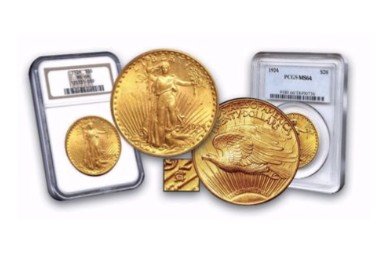
When you think about investing in precious metals, you might picture gold bars sitting in a vault. But there’s another world that combines investment value with historical significance. Rare bullion coins offer something unique. They give you the security of precious metal ownership plus the potential for numismatic value. And if you’re looking for rare bullion coins for sale, understanding what makes them special can help you make smarter choices. This guide will walk you through everything you need to know about these fascinating pieces.
Most people know about standard bullion coins like American Eagles or Canadian Maple Leafs. These coins trade close to their metal value. But rare bullion coins are different. They might be older versions with lower mintages. They could feature special designs or commemorative editions. Some have historical importance that makes collectors willing to pay more. The key is knowing how to spot value beyond just the metal content.
What Makes Bullion Coins Rare
Not every old coin is rare. And not every rare coin is valuable. You need to understand the factors that create real scarcity. Mintage numbers matter most. If a mint only produced 10,000 of a particular coin, it’s naturally more scarce than one with millions made. But low mintage alone doesn’t guarantee high value. Demand plays a role too.
Condition affects rarity in practical terms. A common coin in perfect condition might be rarer than a low-mintage coin that’s been heavily circulated. Collectors pay premiums for coins graded MS-65 or higher. These grades indicate minimal wear and strong eye appeal. Even a small difference in grade can mean hundreds or thousands of dollars in value.
Historical context adds another layer. Coins minted during significant events carry extra appeal. The 1933 Double Eagle gold coin became legendary partly because of the circumstances around its minting. Most were melted down before circulation. The few that survived became some of the most valuable coins in the world. While you won’t find one of those lying around, the principle applies to many collectible bullion pieces.
Design changes create collectible varieties too. When a mint modifies a design element, early versions can become sought after. The transition from one type to another often produces coins that appeal to completist collectors. These folks want every variation in a series. That demand drives prices up for transitional pieces.
Understanding the Market for Rare Bullion
The market for these coins operates differently than the spot metal market. Spot prices reflect the raw value of gold, silver, platinum, or palladium. But rare bullion trades at premiums above spot. Those premiums fluctuate based on collector demand, not just metal prices.
You’ll find two types of buyers in this market. Investors focus mainly on metal content and liquidity. They want coins they can easily sell when metal prices rise. Collectors care more about rarity, condition, and completing sets. They’ll pay higher premiums for specific dates or varieties. The best rare bullion pieces appeal to both groups.
Dealer networks play a crucial role. Reputable dealers like Park Avenue Numismatics specialize in both bullion and numismatic coins. They understand market trends and can guide buyers toward coins with strong potential. Park Avenue Numismatics has built a reputation for offering authenticated pieces with transparent pricing. Working with established dealers protects you from counterfeits and overpriced items.
Online marketplaces have expanded access to rare coins. But they’ve also increased risks. Anyone can list coins online with exaggerated claims. Grading might be inaccurate. Photos can hide flaws. Buying from dealers with physical locations and long track records reduces these risks. You get expert opinions and often better guarantees.
Evaluating Condition and Authenticity
Grading determines much of a rare coin’s value. Professional grading services like PCGS and NGC evaluate coins on a 70-point scale. They seal graded coins in tamper-proof holders with labels showing the grade. This process adds cost but provides confidence in the coin’s condition.
Learning to spot cleaned or damaged coins takes practice. Cleaning removes the natural patina that forms on metals over time. Collectors prefer original surfaces. A cleaned coin might look shinier but will trade for less than a naturally toned example. Scratches, dents, and rim damage also reduce value significantly.
Counterfeits pose serious problems in the rare coin market. Skilled forgers create convincing fakes of valuable pieces. Weight, dimensions, and metal composition help identify fakes. But sophisticated counterfeits match these specs. That’s why buying certified coins from trusted sources matters so much. Park Avenue Numismatics verifies authenticity before offering coins for sale, giving buyers peace of mind.
Authentication goes beyond just spotting fakes. Varieties and error coins require expert examination. A coin that looks ordinary might be a valuable doubled die or overstrike. These subtleties escape casual observers. Dealers with numismatic expertise can identify special varieties worth much more than regular strikes.
Investment Potential and Portfolio Strategy
Rare bullion coins serve multiple investment purposes. They provide precious metal exposure like standard bullion. But they offer appreciation potential beyond metal price movements. When gold rises, rare gold coins typically gain more. When gold falls, their numismatic value can cushion losses.
Diversification within precious metals makes sense. Don’t put everything into one type of coin. Mix common bullion with select rare pieces. Balance gold with silver and perhaps platinum. Different metals and coin types react differently to market conditions. This approach smooths out volatility.
Time horizon matters for rare coin investing. These aren’t day trading assets. Building value takes years or decades. You’re waiting for the right buyers to recognize quality and pay premiums. Some coins appreciate steadily. Others surge when collector interest peaks. Patience generally rewards rare coin investors.
Liquidity varies widely among rare bullion coins. Popular series with strong collector bases sell quickly. Obscure or extremely rare pieces might take months to find the right buyer. Consider this when allocating funds. Keep some holdings in easily liquidated common bullion. Use rare pieces for longer-term wealth building.
Where to Find Quality Rare Bullion
Estate sales and auctions occasionally yield treasures. People inherit collections without knowing their value. But competition at auctions has increased. Online bidding brings more buyers. Deals are harder to find than they were years ago. Still, patient buyers who do research can find undervalued pieces.
Coin shows let you examine pieces in person before buying. You can compare offerings from multiple dealers. Ask questions and learn from experienced collectors. Most shows have a mix of dealers, from large firms to individual sellers. This environment encourages competitive pricing.
Specialized dealers offer the most reliable access to quality rare bullion. They maintain inventories of certified coins. They understand market values and price fairly. You pay retail premiums, but you get authenticity guarantees and expert advice. Building relationships with good dealers leads to better opportunities. They’ll contact you when they acquire pieces matching your interests.
Private sales between collectors happen frequently. Joining coin clubs or online forums connects you with other enthusiasts. Some prefer selling directly to avoid dealer commissions. But private sales carry more risk. You need confidence in your evaluation skills. Having coins verified independently before completing private transactions is wise.
Common Mistakes to Avoid
Overpaying for low-quality examples is a frequent error. Beginners see a rare date and buy without considering condition. A heavily worn rare coin might not be worth much more than its metal content. Focus on quality over quantity. One high-grade coin often appreciates more than several low-grade pieces.
Ignoring certification is another mistake. Raw coins cost less initially but carry authentication risks. The money saved on purchase price disappears if you later discover the coin is fake or overgraded. Starting with certified coins builds a solid foundation. You can learn to evaluate raw coins as your expertise grows.
Chasing short-term trends rarely works well. Hot coins cool off quickly. By the time you hear about the next big thing, early buyers are selling. Focus on established series with long-term collector support. These provide steadier appreciation.
Neglecting proper storage damages coins over time. Humidity, temperature swings, and improper handling cause problems. Store coins in holders designed for them. Keep them in stable environments. Handle by edges only. These simple steps preserve condition and value.
Building a Meaningful Collection
Successful collectors often focus on specific areas. You might collect a particular series through all years and mint marks. Or focus on coins from a historical period. Specialization builds deeper knowledge. You’ll recognize good values when you see them. You’ll avoid overpaying for common pieces.
Setting a budget prevents overspending. Rare coins can become addictive. It’s easy to justify one more purchase. Decide how much you’ll allocate monthly or yearly. Stick to that limit. This discipline keeps collecting enjoyable rather than stressful.
Documentation helps track your collection’s value and history. Record purchase prices, dates, and dealer information. Photograph each piece. This information matters for insurance and eventual sale. It also helps you understand which purchases performed well.
Learning never stops in numismatics. Read reference books. Study auction results. Follow market trends. The more you know, the better your decisions become. Knowledge protects you from mistakes and helps you recognize opportunities others miss.
Working With Trusted Dealers
Dealer reputation matters enormously in rare coins. Check how long they’ve been in business. Look for memberships in professional organizations like the Professional Numismatists Guild. Read customer reviews from multiple sources. Good dealers stand behind their products with return policies and authenticity guarantees.
Communication quality reveals a lot about dealers. Do they answer questions thoroughly? Are they willing to explain grading details? Do they pressure you to buy? The best dealers educate customers rather than just making sales. They want you to become a repeat buyer based on positive experiences.
Pricing transparency separates honest dealers from those inflating values. Compare prices across multiple dealers for similar coins. Be suspicious of prices far below market. That coin might be overgraded or have problems. Prices far above market suggest you’re overpaying. Fair dealers price competitively based on current market conditions.
Park Avenue Numismatics exemplifies the qualities to seek in a dealer. They offer extensive inventories of both bullion and rare numismatic pieces. Their staff provides knowledgeable guidance without pressure. They certify authenticity and grade coins conservatively. These practices have built lasting customer relationships.
Long-Term Outlook for Rare Bullion
Precious metals maintain value through economic uncertainty. Paper currencies come and go. Gold and silver endure. Rare versions of bullion coins add numismatic premiums to metal value. This combination provides multiple reasons for long-term value retention.
Collector bases for popular series remain strong. American Gold Eagles, pre-1933 US gold coins, and classic silver dollars have dedicated followings. New collectors enter these markets regularly. Younger generations are discovering coin collecting. This ongoing interest supports prices for quality pieces.
Supply constraints favor rare bullion over time. No one is making more 1893-S Morgan dollars. Fixed supplies meet growing demand. Basic economics suggests prices will trend upward over decades. Short-term fluctuations happen, but the long-term direction favors scarcity.
However, some series fall out of favor. Colonial coins popular decades ago trade quietly now. Predicting which current favorites will fade is impossible. Sticking with mainstream series reduces this risk. The most collected coins will likely remain collected far into the future.
Final Thoughts
Rare bullion coins bridge investment and hobby in unique ways. They’re tangible assets you can hold and admire. They connect you to history. And they offer appreciation potential beyond standard bullion. But success requires knowledge, patience, and careful buying.
Start slowly. Buy a few quality pieces rather than many mediocre ones. Work with reputable dealers. Learn continuously. Over time, you’ll develop expertise that guides better decisions. You’ll build a collection that brings both financial returns and personal satisfaction.
The market rewards those who do their homework. Study pricing trends. Understand what drives collector demand. Recognize quality when you see it. These skills develop with experience. Every purchase teaches lessons that inform the next.
Whether you’re investing for profit or collecting for enjoyment, rare bullion coins deserve consideration. They combine the security of precious metals with the excitement of numismatics. With careful selection and patience, they can become valuable parts of your portfolio and rewarding pieces of history you own.