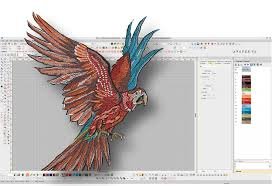
In today’s competitive apparel market, precision and consistency matter more than ever. Brands, promotional companies, and garment manufacturers rely on Professional Embroidery Digitizing Services to convert artwork into machine-ready stitch files that deliver clean, sharp, and durable results. Digitizing is not simply converting an image into stitches. It is a technical process that requires understanding stitch types, fabric behavior, thread tension, density control, and machine capabilities.
When businesses invest in high-quality embroidery digitizing, they ensure that every logo, monogram, or design runs smoothly on embroidery machines without thread breaks or distortion. Whether the order is small or part of a large-scale production run, optimized stitch paths and proper underlay techniques make all the difference.
Why Professional Embroidery Digitizing Services Matter for Apparel Brands
Choosing Professional Embroidery Digitizing Services ensures that your design maintains its visual integrity from screen to fabric. Many people assume embroidery digitizing is automated, but skilled digitizers manually define stitch angles, sequence, and density based on the artwork and material. This technical approach prevents puckering, gaps, and uneven fills.
High-quality embroidery digitizing services help apparel brands produce consistent results across different garment types, including polos, caps, jackets, and uniforms. Each fabric reacts differently to stitching. Cotton absorbs stitches differently than polyester, while structured caps require specific underlay and pathing strategies.
For an embroidery business, poor digitizing can lead to wasted thread, damaged garments, and production delays. Professional digitizers understand how to reduce trims and jumps, optimize stitch flow, and maintain accurate registration. This attention to detail saves time and cost in bulk production environments.
The Role of Embroidery Digitizing Services in Commercial Production
Large-scale production demands reliability. Embroidery Digitizing Services designed for commercial use focus on stitch efficiency and machine compatibility. Industrial embroidery machines operate at high speeds, and improperly sequenced designs can slow down production or cause frequent thread breaks.
Professional digitizers carefully plan stitch paths to minimize unnecessary trims. Efficient sequencing allows embroidery machines to complete designs faster while maintaining quality. This is especially important for companies handling bulk orders for corporate uniforms, sportswear, and promotional apparel.
Embroidery digitizing also plays a critical role in scaling designs for different sizes. A logo placed on a chest area may require a different stitch density compared to the same logo enlarged for a jacket back. Skilled digitizing ensures clarity and durability at every size.
Advanced Embroidery Digitizing Techniques for Density and Underlay Control
Modern embroidery digitizing techniques focus heavily on stitch density and underlay control. Density determines how closely stitches are placed, while underlay provides structural support beneath top stitches. Both elements influence design stability and fabric behavior.
Excessive density can cause stiff embroidery and thread breaks. Low density may result in visible gaps. Balanced embroidery digitizing ensures smooth coverage without compromising garment comfort. Underlay patterns such as edge run, zigzag, or tatami are selected based on the design structure and fabric type.
Professional embroidery digitizing services incorporate compensation adjustments to account for fabric pull and push. These micro-adjustments help maintain accurate design dimensions after stitching. For an embroidery business managing large production volumes, these refinements significantly reduce material waste and rework.
Stitch Path Optimization in Professional Embroidery Digitizing Services
Stitch path optimization is one of the most important aspects of Professional Embroidery Digitizing Services. It involves determining the most efficient order for stitching design elements. A poorly optimized file can contain excessive trims, color changes, and jump stitches that increase production time.
Optimized stitch paths reduce machine wear and improve workflow efficiency. Digitizers strategically group elements of the same color to limit thread changes. They also plan stitching direction to enhance visual depth and prevent distortion.
Embroidery digitizing that includes smart path planning ensures clean finishes, especially for detailed logos with small text and intricate shapes. For companies running multiple embroidery heads simultaneously, efficient files translate directly into higher productivity and profitability.
Supporting the Growth of an Embroidery Business
A growing embroidery business depends heavily on reliable digitizing. As order volume increases, consistency becomes essential. High-quality embroidery digitizing services enable businesses to handle repeat orders with confidence, knowing that the stitch file will perform consistently across multiple production cycles.
Professional embroidery digitizing also enhances brand credibility. Clients expect clean lines, vibrant fills, and durable stitching that withstands washing and wear. When digitizing is done correctly, it strengthens long-term client relationships and encourages repeat business.
Additionally, outsourcing embroidery digitizing to experienced professionals allows embroidery companies to focus on sales, marketing, and production management instead of spending hours adjusting flawed stitch files.
Fabric-Specific Embroidery Digitizing Strategies
Different fabrics require unique digitizing approaches. Lightweight materials such as performance wear demand lighter density and careful underlay to avoid puckering. Heavier fabrics like denim or canvas can support denser stitches but still require balanced sequencing.
Structured caps require specialized embroidery digitizing techniques due to their curved surface and firm backing. Without proper path planning and pull compensation, designs may shift or distort. Professional digitizers understand these technical nuances and prepare files accordingly.
Stretch fabrics also present challenges. Without adequate underlay and compensation, designs can become misaligned. Expert embroidery digitizing services anticipate these issues and adjust stitch properties before production begins.
Quality Control in Embroidery Digitizing Services
Quality control is an essential part of professional embroidery digitizing. Before delivering final files, digitizers test and review stitch simulations to ensure correct sequencing and density levels. Many providers also perform sample runs to confirm real-world performance.
Attention to detail reduces the risk of production errors. Professional embroidery digitizing services aim to deliver clean trims, smooth curves, and balanced fill patterns. For commercial clients, this level of precision protects both brand reputation and production schedules.
Embroidery digitizing is not just about technical conversion. It is about achieving consistent aesthetic appeal while maintaining machine efficiency.
The Future of Professional Embroidery Digitizing Services
As technology evolves, embroidery machines are becoming faster and more advanced. However, the need for skilled digitizing remains critical. Automated tools can assist, but human expertise ensures creative control and fabric-specific optimization.
Professional embroidery digitizing services will continue to focus on precision, efficiency, and adaptability. Businesses that invest in expert digitizing gain a competitive advantage in quality and turnaround time.
With increasing demand for custom apparel and branded merchandise, embroidery digitizing services are central to delivering high-quality stitched products on a large scale. From small businesses to established manufacturers, optimized digitizing supports sustainable growth and operational excellence.
Conclusion
In the modern apparel industry, quality and efficiency go hand in hand. Professional Embroidery Digitizing Services ensure that logos and designs are accurately translated into stitch-ready files with optimized paths, balanced density, and reliable underlay support. Expert embroidery digitizing services help every embroidery business maintain consistency, reduce production errors, and handle bulk orders with confidence.
When precision, speed, and durability matter most, partnering with a trusted provider like 1dollardigitizingensures your embroidery digitizing projects meet commercial standards and exceed client expectations.
FAQs
What is professional embroidery digitizing and why is it important
Professional embroidery digitizing is the process of converting artwork into a machine-readable stitch file. It ensures accurate stitching, proper density, and optimized sequencing for clean results.
How do embroidery digitizing services improve production efficiency
Embroidery digitizing services optimize stitch paths, reduce trims, and balance density. This minimizes thread breaks and speeds up machine operation during bulk production.
Can embroidery digitizing be used for all fabric types
Yes, embroidery digitizing can be customized for various fabrics. Professional digitizers adjust underlay, density, and compensation based on material type.
Why is stitch path optimization important
Stitch path optimization reduces unnecessary machine movements. It improves speed, lowers wear on equipment, and produces smoother design finishes.
How does embroidery digitizing support an embroidery business
High-quality embroidery digitizing helps businesses deliver consistent results, reduce waste, and build strong relationships with clients through reliable production quality.