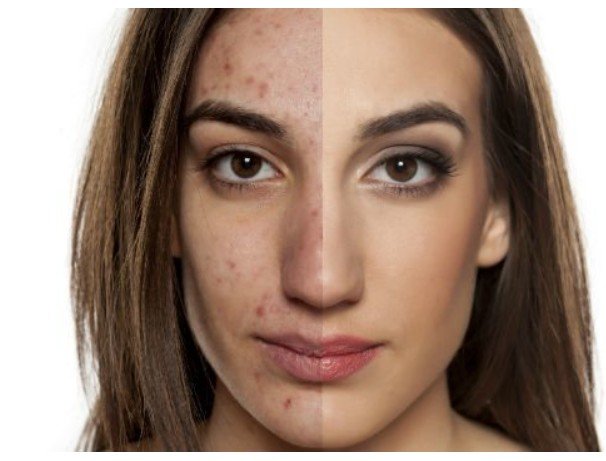

Looking for melanoma treatment Laguna Hills CA or wondering about wrinkles treatment Laguna Hills CA? These two skin concerns affect thousands of people each year. One threatens your life. The other affects how you look and feel. Both deserve serious attention from experienced professionals. Understanding these conditions helps you make smart choices about your skin health. Your skin is your body’s largest organ. It protects you every day. Taking care of it should be a priority. Whether you’re worried about suspicious moles or aging signs, getting the right information matters. This guide walks you through what you need to know about both conditions. You’ll learn about warning signs, treatment options, and when to see a doctor. The goal is simple: help you protect your skin and feel confident in your choices.
What Is Melanoma and Why It Matters
Melanoma is a type of skin cancer that starts in pigment-producing cells. It’s less common than other skin cancers. But it’s more dangerous. Melanoma can spread to other parts of your body if not caught early. That’s why early detection saves lives. Every year, more than 100,000 people in the US get diagnosed with melanoma. The numbers keep growing. Sun exposure is the biggest risk factor. People who had severe sunburns as kids face higher risks. Those with many moles or fair skin need extra caution. Family history also plays a role. If someone in your family had melanoma, you should get checked regularly. The good news is that melanoma caught early has a cure rate above 98%. Regular skin checks make all the difference. Looking at your skin once a month helps you spot changes. Any new mole or changing spot deserves a doctor’s visit. Don’t wait. Early action saves lives.
Recognizing Melanoma Through the ABCDE Method
Doctors use a simple system to identify suspicious moles. It’s called the ABCDE method. Asymmetry means one half doesn’t match the other half. Normal moles are usually round and even. Border refers to the edges. Melanomas often have ragged or blurred borders. Regular moles have smooth, clear edges. Color matters too. Look for uneven shades of brown. Multiple colors in one spot raise red flags. Black, red, or pink areas need attention. Diameter is about size. Spots larger than a pencil eraser need checking. But some melanomas start smaller. Size alone doesn’t tell the whole story. Evolving is the most important sign. Any mole that changes shape, size, or color needs immediate attention. New sensations like itching or bleeding also count. Don’t ignore changes. Your body is sending you signals. Write down when you notice changes. Take photos if possible. This helps doctors track what’s happening. Remember that not all melanomas follow these rules. Some look different. That’s why regular skin exams with a professional matter. Trust your instincts. If something seems wrong, get it checked.
Types of Moles and Cancer Risk
Not all moles are the same. Understanding different types helps you know your risk. Congenital moles appear at birth. About one in 100 people has them. Small ones rarely cause problems. Large congenital moles measuring over 20 centimeters carry higher melanoma risk. These need regular monitoring. Atypical moles look different from regular moles. They’re bigger than a pencil eraser. The shape is irregular. Colors are mixed and uneven. Families often share this trait. Having atypical moles increases your melanoma risk. You need more frequent skin checks. Acquired moles develop after birth. Most people have between 10 and 40 of these. They’re usually harmless. But having more than 50 increases your risk. Count your moles during self-exams. Keep track of new ones. This helps you notice patterns. Any mole can turn into melanoma. But certain types need more watching. Regular dermatology visits keep you safe. Doctors can track changes you might miss. They have tools to examine moles closely. Some suspicious moles get biopsied. This means taking a small sample. Lab tests show if cancer cells are present. The process is quick and simple. Results usually come back within a week.
Understanding Wrinkles and Skin Aging
Wrinkles are a natural part of aging. They happen to everyone eventually. But some factors make them appear sooner. Sun exposure causes most wrinkles. UV rays break down collagen and elastin. These proteins keep skin firm and smooth. Without them, skin sags and creases. Smoking speeds up wrinkle formation. It reduces blood flow to skin. This starves skin cells of oxygen and nutrients. Smokers often look older than their actual age. Repeated facial expressions create lines. Smiling, frowning, and squinting all leave marks. These expression lines deepen over time. Sleeping position affects wrinkles too. Pressing your face into a pillow creates creases. These can become permanent lines. Genetics play a part. Some people’s skin ages faster than others. You can’t change your genes. But you can control other factors. Dehydration makes wrinkles look worse. Drinking water keeps skin plump. Moisturizers help trap water in skin. This makes lines less noticeable. Diet matters for skin health. Foods rich in antioxidants protect skin cells. Vitamins C and E support collagen production. Eating well shows in your skin. Stress takes a toll on appearance. High cortisol levels damage collagen. Managing stress helps your skin stay younger.
Professional Treatment Options for Melanoma
Coastal Dermatology & Plastic Surgery offers comprehensive melanoma care. Their team includes board-certified dermatologists trained at top institutions. They use advanced methods to treat skin cancer effectively. The practice serves Laguna Hills and surrounding Orange County communities. Treatment starts with proper diagnosis. Doctors examine suspicious spots carefully. They may use dermoscopy for a closer look. This tool magnifies skin to reveal details. If melanoma is suspected, a biopsy confirms the diagnosis. Surgical removal is the main treatment for melanoma. Doctors cut out the cancer plus some healthy tissue around it. This ensures all cancer cells are removed. The procedure usually happens in the office. Local anesthetic numbs the area. Most people feel little discomfort. Stitches close the wound. The scar fades over time. For larger melanomas, wider margins are needed. Some cases require skin grafts or flap procedures. Plastic surgery techniques minimize scarring. The goal is removing cancer while preserving appearance. Mohs surgery offers another option for certain cases. This method removes cancer layer by layer. Each layer gets checked immediately under a microscope. The process continues until no cancer cells remain. It saves healthy tissue while ensuring complete removal. Advanced melanomas may need additional treatment. This can include immunotherapy or targeted drug therapy. These treatments help your immune system fight cancer. They’ve improved survival rates significantly. Regular follow-up care is crucial after melanoma treatment. You’ll need frequent skin checks. This catches any new spots early. Your doctor creates a monitoring schedule based on your risk.
Modern Solutions for Wrinkle Treatment
Coastal Dermatology & Plastic Surgery provides numerous anti-aging treatments. Their experienced team helps patients look and feel younger. From injectables to lasers, they offer proven solutions. Each patient gets a personalized treatment plan. Botox and Dysport are popular choices. These injectables relax muscles that cause wrinkles. They work best on forehead lines, crow’s feet, and frown lines. Results appear within days. Effects last three to four months. Repeated treatments maintain smooth skin. Dermal fillers address different concerns. Products like Juvederm and Restylane fill deep lines. They plump up sagging areas. Fillers restore volume lost with age. Cheeks, lips, and under-eye areas respond well. Results are immediate and last six to 18 months. Laser resurfacing removes damaged outer skin layers. New, smoother skin grows in its place. Different laser types treat various skin issues. Some target fine lines. Others address deeper wrinkles. Recovery time varies by treatment intensity. Most people see significant improvement. Chemical peels use acids to remove dead skin cells. This reveals fresher, younger-looking skin underneath. Light peels need no downtime. Medium and deep peels require healing time. But results are more dramatic. Peels improve texture and reduce fine lines. Microneedling creates tiny injuries in skin. This triggers natural healing and collagen production. New collagen fills in wrinkles from underneath. The treatment also improves scars and skin texture. Several sessions give best results. Minimal downtime makes this treatment convenient.
Prevention Strategies for Both Conditions
Preventing melanoma and wrinkles share common strategies. Sun protection is the most important step. Use broad-spectrum sunscreen daily. Choose SPF 30 or higher. Apply it 15 minutes before going outside. Reapply every two hours when in the sun. Don’t forget cloudy days. UV rays penetrate clouds easily. Wear protective clothing when possible. Long sleeves and pants shield skin. Wide-brimmed hats protect face and neck. Sunglasses guard the delicate eye area. Seek shade during peak sun hours. UV rays are strongest from 10 AM to 4 PM. Plan outdoor activities around these times. Or take breaks in the shade. Avoid tanning beds completely. They emit harmful UV radiation. Some deliver more UV than the sun. They significantly increase melanoma risk. There’s no such thing as a safe tan. Start good habits early. Kids need extra protection. Their skin is more sensitive. Sun damage in childhood raises adult cancer risk. Teach children about sun safety. Make sunscreen part of their daily routine. Check your skin monthly. Use a mirror to see hard-to-reach areas. Ask someone to check your back. Take photos to track changes over time. Keep a journal of what you find. Schedule annual skin exams with a dermatologist. They spot things you might miss. Professionals can check every inch of your skin. They document any suspicious areas. Regular visits provide peace of mind.
When to Seek Professional Help
Certain signs demand immediate medical attention. Don’t delay if you notice these symptoms. A new mole appearing after age 30 needs evaluation. Most normal moles develop before this age. New spots could signal trouble. Any mole that changes requires checking. Growth, color shifts, or shape changes are red flags. Bleeding or oozing moles need immediate care. Itching or pain in a mole shouldn’t be ignored. Moles that look different from your others stand out. Doctors call this the ugly duckling sign. It’s a warning worth heeding. For wrinkles, severe or sudden changes warrant concern. If anti-aging products cause irritation, see a doctor. Persistent redness or swelling needs evaluation. Deep wrinkles that don’t respond to treatments may need professional help. A dermatologist can assess your skin properly. They recommend treatments based on your specific situation. The practice serves multiple Orange County locations. Los Alamitos, Huntington Beach, Tustin, and Mission Viejo all have offices. This makes accessing care convenient. Appointments are available for both medical and cosmetic concerns.
Choosing the Right Dermatology Practice
Finding quality skin care matters for good results. Look for board-certified dermatologists. This certification means they completed rigorous training. They stay current with latest treatments. Experience counts in dermatology. The doctors at Coastal Dermatology & Plastic Surgery have practiced over 45 years combined. They trained at respected institutions like Stanford, Yale, and UCLA. This background ensures excellent care. Patient education is central to their approach. They encourage questions about diagnosis and treatment. You’re involved in decisions about your care. This partnership leads to better outcomes. Multiple convenient locations make appointments easier. You don’t need to travel far for expert care. Each office offers comprehensive services. Both medical and cosmetic treatments are available. Advanced technology improves diagnosis and treatment. Modern equipment helps doctors see skin conditions clearly. Better visualization leads to accurate diagnosis. Treatment techniques have improved dramatically. Results are better with less downtime. Read patient reviews before choosing a provider. Satisfied patients share their experiences. Positive feedback indicates quality care. Look for consistent praise about results and service. Insurance coverage varies by treatment. Medical procedures for melanoma are usually covered. Cosmetic treatments for wrinkles typically aren’t. The office staff can explain costs upfront. They help with insurance questions too.
The Connection Between Skin Health and Overall Wellness
Healthy skin reflects overall health. Taking care of your skin helps your whole body. Good nutrition supports skin from inside. Proteins build collagen. Vitamins repair damage. Healthy fats keep skin supple. Eating well shows in your complexion. Exercise improves skin health too. Increased blood flow delivers oxygen and nutrients. Sweating clears pores naturally. Regular activity gives skin a healthy glow. But shower soon after exercise. Sweat sitting on skin can cause problems. Sleep is crucial for skin repair. During sleep, cells regenerate and heal. Lack of sleep shows in your face. Dark circles and dull skin appear. Getting seven to nine hours helps skin look its best. Stress management protects skin health. Chronic stress damages skin cells. It can trigger breakouts and inflammation. Find healthy ways to manage stress. Meditation, yoga, or hobbies all help. Hydration keeps skin plump and resilient. Water flushes toxins from your body. It helps maintain skin elasticity. Aim for eight glasses daily. Your skin will thank you. Limiting alcohol preserves skin health. Excessive drinking dehydrates skin. It dilates blood vessels permanently. This causes redness and broken capillaries. Moderate consumption is key. Not smoking is one of the best things you can do. Smoking accelerates aging dramatically. It causes deep wrinkles and dull complexion. Quitting at any age improves skin. Recovery begins within weeks.
Understanding Treatment Costs and Insurance
Medical melanoma treatments usually receive insurance coverage. Cancer treatment is considered medically necessary. Your policy should cover diagnosis and removal. Some plans require prior authorization. Check your benefits before scheduling procedures. Cosmetic wrinkle treatments rarely get covered. Insurance views them as elective. You’ll pay out of pocket for these procedures. Prices vary by treatment type and extent. Injectable treatments cost less than laser procedures. But they need repeat sessions. Consider the total cost over time. Some practices offer package deals. These reduce the per-treatment price. Ask about available discounts or specials. Payment plans make expensive treatments more affordable. Many offices offer financing options. Monthly payments spread costs over time. This makes procedures accessible to more people. Tax benefits sometimes apply to medical treatments. Melanoma care may be tax-deductible. Keep receipts and documentation. Consult a tax professional about eligibility. Compare costs between providers. But don’t choose based on price alone. Experience and quality matter most. Cheap treatments from inexperienced providers risk poor results. Sometimes paying more ensures better outcomes. Free consultations help you understand costs. Many practices offer these for cosmetic treatments. You learn what’s needed for your goals. You get accurate price quotes. This helps you plan and budget.
Real Patient Experiences and Outcomes
Sarah noticed a changing mole on her shoulder. She felt nervous but scheduled an exam. The dermatologist found early melanoma. Quick removal saved her life. She now checks her skin monthly. Her story shows why early detection matters. Tom wanted to reduce his forehead wrinkles. Years of frowning left deep lines. Botox treatments smoothed them significantly. He looks more relaxed and approachable now. The results boosted his confidence at work. Maria had both concerns. Suspicious spots and aging skin worried her. Her dermatologist addressed both issues. They removed a precancerous lesion. Then they discussed anti-aging options. She chose laser treatments. Now she has clearer, younger-looking skin. Regular monitoring keeps her safe. David postponed his skin check for years. He finally went after his wife insisted. Doctors found advanced melanoma. Treatment was more complex than if caught early. He survived but learned a hard lesson. Don’t wait with skin concerns. Jennifer tried store products for wrinkles first. Nothing worked for her deep lines. Professional treatments made real difference. Fillers restored volume to her cheeks. Laser treatments improved her skin texture. She wishes she’d consulted a specialist sooner. These experiences highlight important points. Early action prevents bigger problems. Professional treatments deliver real results. Regular care maintains healthy, youthful skin.
Long-Term Skin Care Maintenance
Protecting your skin is a lifelong commitment. Daily sunscreen use prevents damage. Make it part of your morning routine. Keep bottles in your car and bag. This ensures you’re never without protection. Regular professional exams catch problems early. Schedule annual checkups at minimum. People with high risk need more frequent visits. Your doctor recommends the right schedule. At-home skin checks supplement professional exams. Do these monthly. Mark a calendar reminder. Check the same day each month. This builds a consistent habit. Good skincare products support healthy skin. Choose gentle cleansers that don’t strip skin. Moisturize daily to maintain the skin barrier. Use products suited to your skin type. Retinoids help with both aging and cancer prevention. They increase cell turnover. This removes damaged cells. New, healthy cells replace them. Start with low concentrations. Gradually increase as skin adjusts. Antioxidant serums protect against damage. Vitamin C is particularly beneficial. It brightens skin and boosts collagen. Apply it under sunscreen in the morning. Stay educated about skin health. New research brings better treatments. Follow reputable sources for information. Ask your dermatologist about new options. Update your routine as needs change. Aging skin requires different care than young skin. What worked before may not work now. Adjust products and treatments accordingly. Maintain realistic expectations about results. Treatments improve appearance but don’t stop aging. You can look great at any age. The goal is healthy, well-cared-for skin.
Final Thoughts on Skin Protection and Care
Your skin deserves attention and respect. It protects your body every single day. Taking care of it isn’t vanity. It’s smart health management. Both melanoma and wrinkles are treatable. But prevention works better than cure. Simple daily habits make huge differences. Sunscreen, skin checks, and healthy lifestyle choices all help. Professional care catches problems early. Expert treatment provides the best results. Don’t try to handle everything alone. Dermatologists have training and tools you don’t. Their expertise prevents mistakes and complications. Finding the right provider matters. Look for experience, credentials, and patient reviews. Coastal Dermatology & Plastic Surgery offers comprehensive care. Their team handles both medical and cosmetic needs. They serve multiple Orange County locations. This accessibility makes regular care convenient. Remember that skin health connects to overall wellness. What you eat, how you sleep, and stress levels all show in your skin. Taking care of yourself shows in your appearance. Stay proactive about skin concerns. Don’t ignore changes or dismiss symptoms. Trust your instincts when something seems wrong. Early action prevents serious problems. It also makes treatment easier and more effective. Your skin tells your life story. Sun damage and wrinkles show time passed. But they also show you’ve lived and experienced life. Professional care helps you look your best at every age. Healthy skin supports confidence and wellbeing. Invest in proper care now. Your future self will thank you. Schedule that skin exam you’ve been postponing. Ask about treatments that interest you. Take control of your skin health today.