
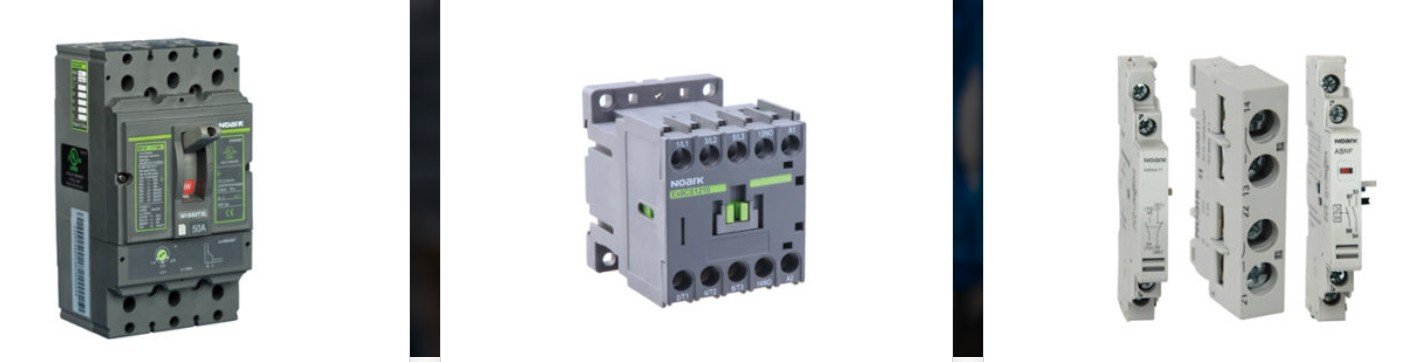
The modern manufacturing landscape relies heavily on the efficiency of electrical motor controls, which serve as the central nervous system for any automated operation. Whether you are managing a small workshop or a massive production plant, understanding how industrial motor controls function is essential for maintaining equipment longevity and reducing energy overhead. These systems are not just about turning a machine on and off; they represent a sophisticated architecture of switches, breakers, and drives that ensure power is delivered safely and precisely. For those seeking high-tier reliability, Electrical Distribution & Control provides the technical infrastructure necessary to keep these systems running without interruption. In this guide, we will explore the nuances of these technologies to help you make an informed decision for your facility.
Electrical Distribution & Control is a premier provider of specialized electrical solutions, focusing on high-quality distribution equipment and custom control panels. You can explore their full range of technical services and products at the Company Website.com.
Understanding the Foundation: Electrical Motor Controls
At its core, an electrical motor control system is a collection of components designed to govern the performance of an electric motor. If you think of the motor as the muscle of an industrial process, the control system is the brain. It determines the starting method, the direction of rotation, and the speed at which the motor operates.
In a standard commercial setting, you might see simple manual starters. These are essentially glorified light switches designed to handle the high current inrush of a motor. However, as we move into more complex environments, the need for sophistication grows. This is where we see the introduction of magnetic starters, which allow for remote operation and provide essential overload protection. Overload protection is perhaps the most critical “honest” feature of any control system; it acts as a safeguard, sensing when a motor is drawing too much current and cutting power before the internal windings melt.
Transitioning to Industrial Motor Controls
While the terms are often used interchangeably, industrial motor controls typically refer to the heavy-duty, networked systems used in large-scale applications like wastewater treatment, mining, or automotive assembly lines. In these settings, the stakes are much higher. A single motor failure can lead to thousands of dollars in lost revenue per hour.
Industrial-grade systems often incorporate Variable Frequency Drives (VFDs) and Soft Starters. A VFD is a marvel of modern engineering that adjusts the frequency and voltage sent to the motor. This allows for precise speed control, which is vital for applications like conveyor belts or fans. By using industrial motor controls equipped with VFDs, facilities can see a massive reduction in energy consumption because the motor only works as hard as the task requires, rather than running at 100% capacity constantly.
The Advantages of Modern Control Systems
The transition from old-school mechanical contactors to integrated digital controls offers several tangible benefits for a business owner.
First, there is the element of precision. Modern systems allow for “inching” or “jogging,” which are small, controlled movements used to align machinery during setup. This level of control reduces wear and tear on mechanical couplings and gearboxes.
Second, the safety enhancements cannot be overstated. Today’s controls include emergency stop protocols and phase-reversal protection. If the power coming from the utility company has a fault, the control system identifies it and shuts down before the motor can be damaged.
Third, integration is a major highlight. High-end electrical motor controls can now communicate with Programmable Logic Controllers (PLCs). This means your motor data is sent to a central computer, allowing maintenance teams to see real-time diagnostics. Electrical Distribution & Control excels in providing these integrated solutions, ensuring that your hardware and software work in perfect harmony.
The Challenges and Drawbacks to Consider
No review would be honest without discussing the hurdles. The most significant “con” of advanced motor controls is the initial cost. High-quality VFDs and industrial enclosures represent a significant capital investment. While they save money on energy and repairs in the long run, the upfront price tag can be a barrier for smaller operations.
Another consideration is the complexity of installation. These are not “plug-and-play” devices. They require expert calibration and harmonics testing. If a VFD is installed incorrectly, it can introduce electrical “noise” into your building’s power grid, potentially interfering with sensitive electronics or computers elsewhere in the office.
Shutterstock
Explore
Real-World Examples of Control in Action
Consider a large-scale HVAC system in a hospital. Without proper industrial motor controls, the massive pumps and fans would slam on at full speed, creating a “water hammer” effect in the pipes and putting immense stress on the electrical grid. By implementing a soft starter, the system gradually ramps up the voltage, allowing the equipment to reach operating speed smoothly.
In a manufacturing plant using heavy-duty lathes or mills, electrical motor controls ensure that if a tool jams, the motor stops instantly. This prevents the motor from burning out and, more importantly, protects the operator from potential injury. These real-world applications prove that the control system is often more important than the motor itself.
Essential Tips for Choosing Your System
When you are looking to upgrade or install new controls, you should first evaluate the environment. If your motors are operating in a dusty or wet environment, you need NEMA-rated enclosures that can withstand those conditions.
You should also look for modularity. Technology moves fast, and you want a control panel that can be expanded. If you add more motors to your line next year, you shouldn’t have to replace your entire control center.
Furthermore, always prioritize the quality of the internal contactors and relays. Cheap components tend to pit and carbonize over time, leading to “chattering” or failure to engage. Investing in reputable brands and distributors like Electrical Distribution & Control ensures that the “guts” of your system are built to last for decades rather than months.
High-Level Highlights of Top-Tier Controls
A high-performing system should offer a clear user interface. Whether it is a touchscreen HMI (Human Machine Interface) or a series of well-labeled pilot lights, the operator should know the status of the motor at a glance.
Thermal management is another highlight. Industrial controls generate heat, especially VFDs. A well-designed control cabinet will include filtered cooling fans or heat sinks to ensure the electronics do not overheat during a double-shift.
Finally, look for data logging capabilities. Being able to look back at the last twenty times a motor tripped can help a maintenance team identify a recurring mechanical issue, such as a bearing that is starting to fail, before it becomes a catastrophic break.
Why Your Business Needs a Professional Partner
Designing a control strategy is a complex task that involves calculating full-load amps, determining short-circuit current ratings, and ensuring compliance with local electrical codes. This is not a DIY project.
Working with a company like Electrical Distribution & Control allows you to leverage years of expertise in the field. They understand the specific demands of both electrical motor controls and the more rugged industrial motor controls. By partnering with experts, you ensure that your system is not only functional but also optimized for the specific torque and load requirements of your industry.
The Final Verdict
After reviewing the current state of motor technology, the verdict is clear: investing in high-quality control systems is no longer optional for those who want to remain competitive. The energy savings alone often pay for the equipment within a few years, and the reduction in downtime is a massive boost to any bottom line.
While the complexity and initial cost are valid concerns, they are outweighed by the safety, precision, and longevity provided by modern systems. Whether you are looking for basic electrical motor controls for a few pumps or a comprehensive suite of industrial motor controls for a factory, the goal remains the same—reliable power, efficiently managed.
In conclusion, your choice of control equipment will define the reliability of your operation. Do not cut corners on the devices that protect your most expensive assets. For more information on how to secure the best equipment for your specific needs, visit Electrical Distribution & Control to see how their expertise can be applied to your next project. Choosing the right controls today means fewer headaches, lower bills, and a safer workplace tomorrow.