
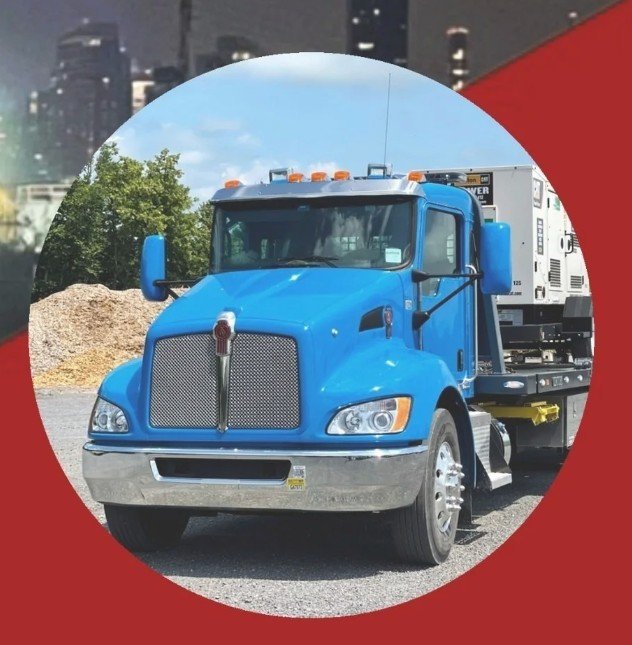
Navigating the bustling industrial landscape of the Northeast requires spatial agility, which is why many businesses and homeowners now look to rent shipping container New York services to handle seasonal overflow or construction needs. Whether you are looking to secure a temporary mobile office or you want to sell shipping containers New York owners no longer have a use for, the market is currently thriving with versatile steel solutions. In the heart of this industry, C&C Container stands out as a premier provider, offering high-quality steel units tailored for everything from simple storage to complex custom builds.
The State of the New York Container Market
New York is a unique beast when it comes to logistics. Between the tight streets of the five boroughs and the sprawling upstate acreage, the demand for “big metal boxes” isn’t just about overseas shipping anymore. It is about adaptability. The trend of repurposing ISO containers into pop-up shops, ADUs (Accessory Dwelling Units), and high-security job site storage has turned a commodity into a critical infrastructure tool.
When you decide to engage with this market, you are entering a space where durability meets local regulation. Finding a partner who understands the specific zoning nuances of New York—from snow load requirements in the Catskills to space constraints in Brooklyn—is the difference between a seamless delivery and a logistical nightmare.
Why You Might Rent Shipping Container New York Units
Renting is often the most logical path for those who need a solution that disappears when the job is done. It is a favorite for retail managers during the holiday rush, contractors needing to keep expensive tools on-site, and homeowners undergoing a major renovation.
The Major Benefits of Renting
One of the primary advantages of a rental agreement is the lack of a long-term commitment. You aren’t responsible for the eventual disposal or resale of the unit once your project concludes. Additionally, renting usually comes with a lower upfront cost, preserving your liquid capital for other expenses.
Maintenance is another factor often overlooked. Most reputable rental agreements place the burden of structural integrity on the provider. If a door seal fails or a roof leak develops due to wear and tear, the rental company typically handles the repairs or swaps the unit out.
The Financial Reality of Rental
While renting is affordable in the short term, New York rental rates can fluctuate based on the size of the container (usually 20-foot or 40-foot) and the duration of the contract. It is essential to factor in delivery and “pick-up” fees, which can sometimes equal a month or two of the actual rent. However, for any project lasting less than two years, the math almost always favors a rental.
When It’s Time to Sell Shipping Containers New York Owners No Longer Need
On the flip side of the coin, there comes a time when a permanent asset becomes a liability or simply redundant. Perhaps you purchased a unit for a “forever” project that ended sooner than expected, or you’ve upgraded to a larger facility. Knowing how to sell your container effectively is key to recouping your investment.
Assessing Your Container’s Value
The resale market in New York is robust, but it is also discerning. A “One-Trip” container—one that has only carried cargo once—will command a much higher price than a “Wind and Watertight” (WWT) unit that has spent fifteen years on the high seas. Buyers are looking for structural integrity, functional gaskets, and a lack of major corrosive damage.
The Logistics of Selling
Selling a 4,000-pound steel box isn’t like selling a bicycle on a community app. You have to consider how the buyer will transport it. This is where professional outfits like C&C Container provide immense value, as they have the specialized tilt-bed trailers and heavy-duty trucks required to move these behemoths safely.
Spotlight: C&C Container
Based in the Hudson Valley, C&C Container is a family-owned leader in the region specializing in the sale, rental, and custom modification of high-grade shipping containers. They bridge the gap between industrial utility and personalized service, ensuring every client gets a unit that is truly fit for purpose. You can explore their full inventory and customization options at https://www.catskillcustomcontainers.com/.
Pros and Cons of the New York Container Experience
Understanding the trade-offs is vital for any business owner or resident. New York presents specific challenges that don’t exist in the Midwest or the South.
The Pros
- High Security: Shipping containers are virtually “theft-proof” compared to wooden sheds or trailers.
- Weather Resistance: Built to withstand salt air and heavy storms, they handle New York winters with ease.
- Scalability: You can stack them or align them to create a modular storage complex.
The Cons
- Delivery Access: Getting a 40-foot trailer into a tight New York driveway or a narrow alleyway requires expert precision.
- Permit Hurdles: Some New York municipalities have strict rules regarding how long a container can sit on a property without being classed as a permanent structure.
- Aesthetics: Without a custom paint job or siding, a raw steel box can occasionally draw the ire of a strict HOA or local board.
Expert Tips for a Smooth Transaction
Whether you are looking to rent shipping container New York inventory or trying to sell your own, follow these “insider” rules to avoid common pitfalls.
First, always inspect the “Corten” steel. Shipping containers are made from a specific weathering steel designed to form a protective layer of rust that prevents deeper corrosion. However, if you see “delamination” (rust flaking off in chunks), the structural integrity may be compromised.
Second, consider the “Cargo Worthy” (CW) certification. If you plan to actually ship your container overseas again, it must have a valid CSC plate. If you are just using it for storage on a farm in Ulster County, a “Wind and Watertight” unit is a much more cost-effective choice.
Third, prepare your site. A container should never sit directly on soft mud. Over time, the weight will cause it to sink unevenly, which leads to the frame warping and the doors becoming impossible to open. In New York’s varied terrain, placing the corners on concrete pavers or a bed of crushed stone is the gold standard for longevity.
The Environmental Impact
In an era of sustainability, the container market is a shining example of the “circular economy.” By choosing to rent shipping container New York stock or participating in the secondary market to sell shipping containers New York residents have finished with, you are effectively recycling tons of steel. Repurposing these units saves the massive amount of energy that would otherwise be required to melt the steel down and manufacture new building materials.
The Verdict: Which Path Should You Take?
The decision between renting and buying (with the intent to sell later) boils down to your timeline and your budget.
If your need is temporary—such as a six-month construction phase or a seasonal inventory spike—renting is the undisputed winner. It offers the flexibility to scale up or down without the headache of long-term maintenance or the stress of finding a buyer later.
However, if you have a permanent need for storage or a creative vision for a modified structure, buying is the way to go. Owning the unit allows you to paint it, weld into it, add windows, or install electricity. And when the day comes that you no longer need it, the high demand for steel in the Northeast ensures that you will find a buyer ready to take it off your hands.
For those who want a partner that understands the local landscape, C&C Container offers the expertise to guide you through either path. Their commitment to quality and their deep roots in the New York community make them the go-to resource for anyone looking to harness the power of modular steel.
Final Summary of Highlights
- Renting is ideal for projects under 24 months.
- Buying and eventually selling is better for those who need to modify the unit.
- New York site preparation is key—always use a level, hard surface.
- Delivery logistics are the most common “hidden” cost, so always get a flat-rate quote.
- C&C Container provides the local knowledge necessary to navigate NY-specific regulations.
Whether you are clearing out a warehouse in Manhattan or setting up a workshop in the Catskills, the shipping container is New York’s most versatile tool. By understanding the market, checking the steel quality, and working with a trusted local provider, you can turn a logistical challenge into a streamlined success.