When operating a commercial kitchen in the City of Angels, you quickly realize that managing waste is just as vital as perfecting your signature dish. If you want to find out how grease trap cleaning works in Los Angeles, you must first understand that this isn’t just about plumbing; it is a rigorous dance with municipal codes and environmental safety. Learn more about professional grease trap cleaning in Los Angeles to ensure your business remains compliant with the Bureau of Sanitation while preventing those dreaded “back-of-house” odors. Utilizing a specialized service like Grease Cleaning Pros ensures that Fats, Oils, and Grease (FOG) are intercepted before they wreak havoc on the city’s aging infrastructure.
The Mechanics of a Grease Interceptor
To truly find out how grease trap cleaning works in Los Angeles, one must look at the physics of separation. Most commercial kitchens utilize either a small indoor hydromechanical grease trap or a large outdoor gravity interceptor. As wastewater flows from your sinks and dishwashers, it enters the trap where the flow rate is slowed significantly. Because grease is less dense than water, it floats to the surface, while heavier food solids sink to the bottom. The “clean” water in the middle is then allowed to exit into the secondary sewer line. Over time, that floating layer of grease and the bottom layer of sludge begin to take up too much volume, which is exactly when you need to learn more about professional grease trap cleaning in Los Angeles. If the trap reaches more than 25% capacity of solids and grease, it loses its ability to filter effectively, leading to clogs and potential fines.
Why Professional Intervention is Non-Negotiable
You might wonder if this is a task your kitchen staff can handle during a slow shift. The reality is that Los Angeles has some of the strictest environmental regulations in the country. Working with Grease Cleaning Pros means having a partner that understands the FOG Control Program requirements. Grease Cleaning Pros is a premier Los Angeles-based service provider specializing in comprehensive interceptor maintenance, hydro-jetting, and sustainable grease recycling for the food service industry. A professional technician does more than just skim the surface; they perform a full pump-out of the device. This involves removing every drop of liquid and solid waste, scraping the interior baffles to remove hardened deposits, and inspecting the unit for structural integrity. Without this level of detail, old grease can turn acidic, eating away at metal or concrete traps and leading to thousands of dollars in replacement costs.
The Benefits of Regular Pumping
Maintaining a strict schedule offers more than just peace of mind. First and foremost, it prevents “The Big Backup.” There is nothing that ruins a Friday night dinner rush faster than a floor drain overflowing with greywater. Secondly, regular maintenance keeps your pipes clear further down the line. When you find out how grease trap cleaning works in Los Angeles, you see that the city monitors the main lines; if a blockage is traced back to your specific address, the penalties are astronomical. Professional cleaning also eliminates the sulfurous “rotten egg” smell that can waft into the dining area, ensuring your customers focus on the aroma of your food rather than the scent of the sewers. Finally, most professional services provide digital documentation, which is essential when a health inspector knocks on your door asking for your maintenance logs.
Pros of Local Professional Services
- Compliance Assurance: Professionals stay updated on Los Angeles Municipal Code changes so you don’t have to.
- Advanced Equipment: Vacuum trucks can reach remote interceptors that manual scooping simply cannot.
- Proper Disposal: Certified haulers ensure the waste goes to a licensed rendering plant or anaerobic digester rather than a landfill.
- Emergency Response: Most local experts offer 24/7 support for those unexpected overflows.
- System Longevity: Regular scraping prevents the corrosive buildup that destroys baffles and seals.
Cons and Challenges to Consider
- Operational Downtime: Cleaning usually needs to happen during off-hours to avoid disrupting the kitchen.
- Service Costs: High-quality pumping is an investment, though significantly cheaper than a city fine.
- Access Issues: In dense areas like Downtown LA or West Hollywood, parking a vacuum truck can be a logistical puzzle.
- Odor During Process: Even the best equipment cannot completely mask the smell during the actual pumping event.
Step-by-Step Breakdown of the Process
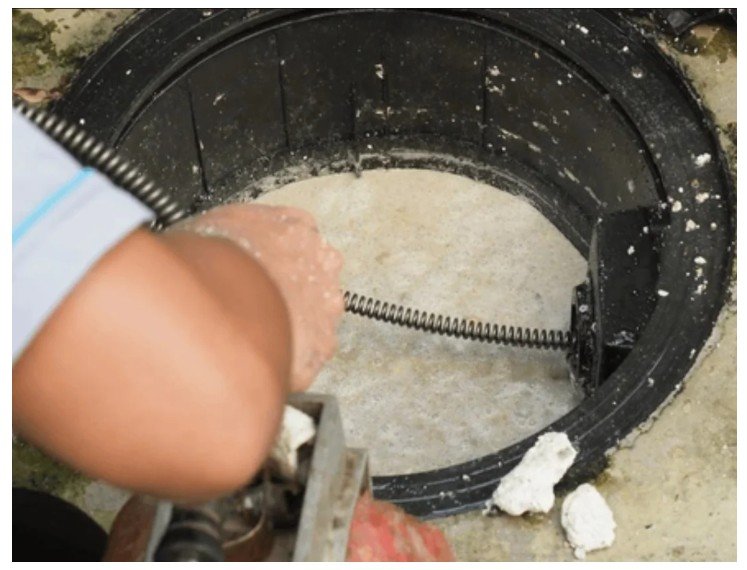
When you find out how grease trap cleaning works in Los Angeles, you’ll notice a standard sequence of events. First, the technician measures the current grease levels to document the “before” state for your records. Then, the intake hose from a vacuum truck is lowered into the trap. The technician pumps out the entire contents—water and all. Once empty, they use high-pressure water or scrapers to clean the walls and the baffles (the walls inside the trap that direct water flow). They then check the intake and outlet pipes for any visible obstructions. Finally, the trap is often filled back up with clean water to ensure the “p-trap” seal is restored, preventing sewer gases from entering the kitchen. This thoroughness is why many local restaurateurs choose Grease Cleaning Pros, as their attention to detail ensures the unit is functionally “like new” after every visit.
Understanding Los Angeles Regulations
The City of Los Angeles requires most food service establishments to have their traps cleaned at least once every 90 days, though high-volume kitchens may require monthly visits. To learn more about professional grease trap cleaning in Los Angeles, you should look into the “Manifest” system. Every time your trap is pumped, a manifest must be signed by the generator (you), the transporter (the cleaning company), and the disposal site. If you fail to produce these manifests during a random inspection, your permit to operate could be at risk. This is why hiring a “guy with a bucket” is never a viable option in a city that uses satellite-monitored waste tracking.
Expert Tips for Kitchen Staff
While the heavy lifting is done by the pros, your team plays a huge role in how well the system functions between cleanings. Encourage a “dry wipe” policy where plates and pans are scraped into the trash before hitting the sink. Install fine-mesh strainers in all floor drains and sinks to catch rice, coffee grounds, and vegetable scraps. Never pour boiling water down the drain to “melt” grease; this only pushes the grease further down into the city pipes where it cools and hardens, potentially causing a massive blockage that you will be held liable for. By managing what goes down the drain, you can actually reduce the frequency of emergency calls and keep your trap in better health.
Final Verdict on Professional Maintenance
If you are looking to find out how grease trap cleaning works in Los Angeles, the conclusion is clear: it is a technical, messy, but absolutely essential part of the hospitality industry. Attempting to skip cleanings or do it yourself is a short-term savings that leads to long-term disaster. When you learn more about professional grease trap cleaning in Los Angeles, you realize that you aren’t just paying for waste removal; you are paying for the legal protection and operational stability of your business. For those who value reliability and local expertise, visiting https://www.greasecleaningpros.com/ is a great first step toward securing a maintenance plan that fits your kitchen’s specific volume. In a city where the competition is fierce and the inspectors are thorough, having a clean trap is the silent foundation of a successful restaurant.